POPULAR NAME: Castor Oil
INCI NAME: Ricinus communis | SodiumSodium Ricinoleate*
* Saponified form or turning of the oil into soap by reaction with an alkali
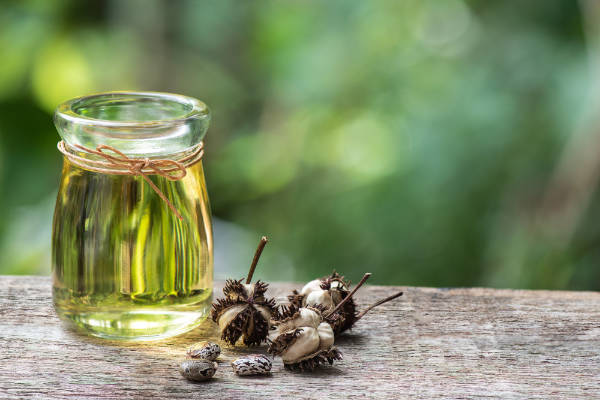
Castor oil comes from seeds of the ricinus communis plant, which is native to tropical areas of Africa and Asia. Castor oil is a thick, odorless oil made from the seeds of the castor plant. Its use dates back to ancient Egypt, where it was first used as lamp fuel and later for medicinal and beauty treatments.
Castor oil and ricinoleic acid are thought to increase absorption in the skin and are sometimes used in the treatment of various skin conditions, including dermatosis, psoriasis, and acne.
By serving as a source of ricinoleic acid and several other fatty acids, castor oil has some properties that make it a useful skincare product, particularly for the face:
- Acne: The antimicrobial and anti-inflammatory properties of castor oil make it useful in reducing acne. Ricinoleic acid can inhibit growth in the bacteria that cause acne.
- Complexion: The fatty acids in castor oil can also promote the growth of healthy skin tissue, making it helpful in restoring uneven skin tones.
- Sensitive skin: Castor oil has a low comedogenic score. This means it is unlikely to clog pores in the skin and reduces the risk of developing blackheads, making it appropriate for use on sensitive skin.